I recently came across a great website called Rubistar which helps guide students in selected topics or areas of focus and design a step by step working of a class rubric for Projects, tests or oral presentations. Rubistar allows users to see examples of past rubrics and the different subtleties between giving a student a level two or three on a given work. I have completed a copy of a rubric to use for evaluation of my following resources. Assessments can be more regimented for high stakes testing or more broadened for alternative types of assessment. The rubrics can be made interactive and easily altered and learning goals or expectations can be changed to accommodate students needs and the pace of learning in the class.
http://rubistar.4teachers.org/index.php?screen=ShowRubric&rubric_id=2616769
Showing posts with label RyanRC. Show all posts
Showing posts with label RyanRC. Show all posts
Tuesday, April 5, 2016

Ryan's Resource # 9-The Incorporation of Online Learning Modules
As learners in the field of Teaching, technology can be greatly beneficial in both the classroom and as an outside resource used to enhance the learning of the children in the class. Technology has the ability to enable students to learn at their own pace using sequenced activities that allow the student to proceed when they are ready or seek help if they need further clarification. While this may provide a more intimate interaction than in a large lecture class or big class where specific attention to one student can be an arduous task, there can also be some downsides to resorting to strict learning through the online world. The role of a teacher is not simply to impart knowledge on his or her student, but rather to teach the student how to survive and manage in a growing world of diversity, surprise, challenge and opportunity for personal and creative growth. This element of human interaction or empathy is hard to achieve through the wall of a computer screen.
Looking at ways that we can incorporate online learning and assessment, but also integrate classroom time and social experience is the best way we can truly prepare the children for a future where being a caring and supportive mentor and facilitator is vital to the learning experience and provides a broader opportunity to evaluate communicative skills and ability to work collaboratively in the classroom atmosphere.
While some sites, or educators comment that social interaction and the human experience can be duplicated through online "stimulation," I am an advocate for learning through sharing ideas as an experience that should be felt, associating how we feel about what we are hearing or learning and our interactions with one another.
http://info.shiftelearning.com/blog/bid/354977/eLearning-vs-Classroom-Training-How-Different-Are-They
http://jolt.merlot.org/vol7no3/stone_0911.htm
https://www.researchgate.net/post/What_are_the_advantages_and_challenges_of_online_learning_and_teaching
Ryan's Resource #8- Educational Games and Exercises
As a teacher, in the classroom who has familiarized their class with what is expected of them and the Learning Goals that are required of them to achieve in every unit, a teacher can take it upon themselves to find a way to make this information fun for students and easier to digest come test time. One thing I enjoyed doing with the kids during my teaching placement was developing games which covered lesson material and curriculum goals but was done in a fun way so the children were more active to get involved.
The following activity, which I designed was for a Medieval Times unit I did my Grade Four students. Utilizing the Token Economy/ Coercive Authority method I designed a game of Medieval Bingo. Students are motivated to participate because they know they will be rewarded with a full line of Bingo if they win. Treats for students are optional but creating a comfortable, relaxing environment helps the kids take their minds off the fact that they are absorbing information and learning about Medieval Times. Students are given Bingo sheets with words written in the squares, the full vocabulary written on the blackboard for the teacher and student to refer to. Teacher than calls a number and letter and provides a clue, if the student feels the clue fits the correct word provided on their sheet they mark it lightly in pencil. Once they have a line of five the teacher then double checks the answers which provides an oppurtunity for the teacher to reiterate those definitions to the students for further comprehension. Teachers will then see what concepts or words the students are struggling with and what material or aspects to explore further. The following is a copy of one of the exercises I designed .

The following activity, which I designed was for a Medieval Times unit I did my Grade Four students. Utilizing the Token Economy/ Coercive Authority method I designed a game of Medieval Bingo. Students are motivated to participate because they know they will be rewarded with a full line of Bingo if they win. Treats for students are optional but creating a comfortable, relaxing environment helps the kids take their minds off the fact that they are absorbing information and learning about Medieval Times. Students are given Bingo sheets with words written in the squares, the full vocabulary written on the blackboard for the teacher and student to refer to. Teacher than calls a number and letter and provides a clue, if the student feels the clue fits the correct word provided on their sheet they mark it lightly in pencil. Once they have a line of five the teacher then double checks the answers which provides an oppurtunity for the teacher to reiterate those definitions to the students for further comprehension. Teachers will then see what concepts or words the students are struggling with and what material or aspects to explore further. The following is a copy of one of the exercises I designed .

Monday, April 4, 2016
Ryan's Resource #7- COUNCIL OF ONTARIO DRAMA AND DANCE EDUCATORS UNIT TOOL
COUNCIL OF ONTARIO DRAMA AND DANCE EDUCATORS - UNIT TOOL
http://www.code.on.ca/resource/1-2-3-go
http://www.code.on.ca/resource/1-2-3-go#section-3
The following website is an excellent resource providing Drama teachers with Lesson templates, learning goals and methods of assessment for individual and group performance evaluation.
Includes great example of self assessment evaluation and activities designed to scaffold learning and integrate prior skills and knowledge of Drama to strengthen new skills of development. The following is an example of a Assessment evaluation for a Tableaux Presentation in a Drama class. The four areas of expectation are stated clearly.
1. Student must clearly communicate thoughts through the use of space and how space can contribute to an idea or theme.
2. Student is to use elements of Drama such as gesture and facial expression to further enhance their performance piece.
3. Transitions are smooth between each tableaux, performers are confident and dedicated to the success of the collaborative process.
4. Project shows organization and consideration.
ASSESSMENT:
TABLEAUX
EXCELLENT
___ Clearly and effectively communicates idea, event or story
___ Highly effective use of space in the arrangement of the image
___ Use of varying
levels adds strong impact to the depiction
___ Strong Facial expressions and gesture to contribute meaning
___ All players are in clear view of the audience
___ Transitions are extremely smooth and add dramatic effect
___ Evidence of thorough organization
VERY
GOOD
___ Clearly communicates idea, event or story
___ Effective use of space in the arrangement of the image
___ Use of varying levels adds impact to the depiction
___ Effective use of facial expressions and gestures enhance meaning
___ Most players are in clear view of the audience
___ Transitions are smooth and add dramatic effect
___ Evidence of good organization and collaboration to create image
GOOD
___ Communicates idea, event or story
___ Good use of space, contributes to the ideas and flow of the story
___ Good use of varying levels adds impact to the depiction
___ Good use of facial expressions and gesture contribute meaning
___ Few players are in clear view of the audience
___ Transitions add some dramatic effects to presentation
___ Evidence of some organization and planning to create image collaboratively
UNSATISFACTORY
___ Does not clearly communicate idea, event or story
___ Needs to consider use of space in the arrangement of the image
___ Limited use of varying levels adds impact to the depiction
___ Limited use of facial expressions and gesture contribute meaning
___ All participants need to be aware of audience in presenting the image
___ Transitions add limited dramatic effect to t
he presentation
___ Evidence of minimal organization and collaboration to create image collaboratively
Ryan's Resource #6- Doodle Drama
With the wave of new technology surfacing in the classroom, keeping up to date as a teacher is essential. Reaching children through these tools can be an exciting and effective new way of learning for both the student and the teacher. I recently came across this resource and method of assessment which provides students with the means to learn interactively at their own volition as well as track tests and homework results for the teacher's usage. An exciting way to bring Drama history to a modern day audience and for the class to see and experience elements of theatre through their own learning.
https://www.doddlelearn.co.uk/drama
Ryan's Resource #5- Drama Assessment Scheme Template
The Following Drama Mark Scheme Assessment provided by AQA provides an in depth look at how to evaluate a Final Unit exam in Drama through integrating both standardized and authentic forms of questioning. Students are marked on their understanding of basic facts and vocabulary in the Multiple Choice section but are also required to expand their thinking through seeing other plays or through the chosen plays included in the curricula. The Assessment provides in depth detail on how to break down marking criteria and evaluate students in Dramatic Arts assessment. Whilst, as students we attended a workshop on evaluating standardized testing methods as used in EQAO testing, this document accomates and provides a standard template for less linear content areas.
http://filestore.aqa.org.uk/resources/drama/AQA-82611-SMS.PDF

Wednesday, March 30, 2016
Ryan's Resouce #4 -Peer Evaluation Rubric
Providing students opportunities to mark their fellow peers anonymously provides a great form of assessment not only for the peer who is being evaluated but for the teacher as well. Taking time to look over these assessments taking into consideration elements that former students take into consideration when providing critique enables you as a teacher to better shape your lesson. The following is a grade one rubric which during early years provides results when the elements of critique are explicitly stated as the students progress to older grades allowing for more of a creative perspective from the student markers will also strengthen their abilities to evaluate and self-reflect on their work. Through using this resource consistently in the classroom students will gain insight on the importance of constructive criticism and hear and see specifically areas of need.
https://blogger.googleusercontent.com/img/b/R29vZ2xl/AVvXsEitVFQP-N5QzvddWdbgynFq4UafwuMddGcXSAq1MCflUWNv6An6BbzdrZjqgWZGDjUBf75eiee3DbSfX5eV5MjI6inxXt-PLn2jKATvkHYVimY1X74JCgmt2N7ZJwAWpyeVzNA99ZPDmEsk/s1600/peer+evaluation.png
http://www.dailyteachingtools.com/images/500PeerEval.jpg

https://blogger.googleusercontent.com/img/b/R29vZ2xl/AVvXsEitVFQP-N5QzvddWdbgynFq4UafwuMddGcXSAq1MCflUWNv6An6BbzdrZjqgWZGDjUBf75eiee3DbSfX5eV5MjI6inxXt-PLn2jKATvkHYVimY1X74JCgmt2N7ZJwAWpyeVzNA99ZPDmEsk/s1600/peer+evaluation.png

http://www.dailyteachingtools.com/images/500PeerEval.jpg


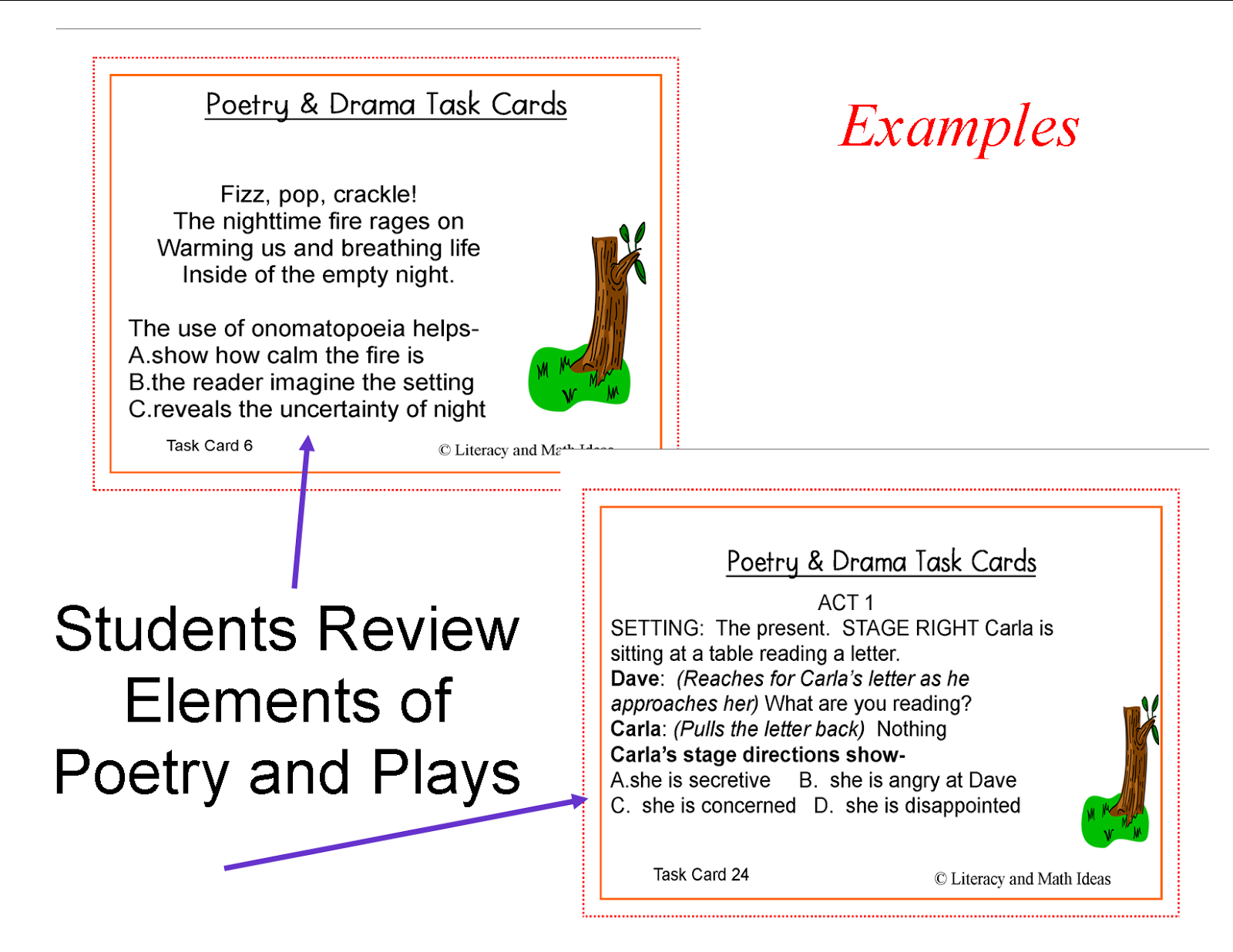
Ryan's Resource #3- Bloom's Taxonomy Task Cards for Drama and Literacy
This resources uses the numbering system on the cards to indicate progressive level of difficulty. As the student goes through the questions they are activating different elements of critical thinking. This begins with questions based on simple memorization or understanding and categorizing /comparing as we experience in the early stages of Bloom's Taxonomy to more abstract or less concrete questions which require forming predictions and making their own inferences as seen in the higher levels of Blooms Taxonomy system. Using such a regulated system in a subject area like Drama where you find more opportunity for non-linear style teaching provides a nice challenge for the teacher. This also provides a way for the student to apply what they know and broaden their learning without really realizing they are indeed learning.

Saturday, March 26, 2016
Ryan's Resource #2- Utilizing Graphic Organizers
I have found that Graphic Organizers work quite well as a creative mode of assessment. These can be used either as a culminating activity in a unit to test overall knowledge. The Graphic Organizer activity also works well in a Drama or Literary class as an activity to help students organize their thoughts and understandings on characters in both plays and assigned readings, completed periodically through the duration of the reading
https://www.pinterest.com/pin/571183165218087853/.

Ryan's Resource #1 - Drama: Integrating Both Written and Performative Assessment
The following package is an excellent resource for Drama teachers to use in their classes. Providing both the opportunity for diagnostic and formative assessment, followed by an end of unit test. For maximized effectiveness including a performative element, being that it is a Drama class would aid the teacher to truly assess the students' understanding of Drama and the arts in general.
file:///C:/Users/Ryan/Downloads/DramaTermsandTestElementsofDrama%20(1).pdf
https://www.pinterest.com/pin/188588303124289549/
file:///C:/Users/Ryan/Downloads/DramaTermsandTestElementsofDrama%20(1).pdf
https://www.pinterest.com/pin/188588303124289549/
Subscribe to:
Posts (Atom)